
CLIMATE BIO® · PLATFORM
Agricultural Greenhouse-Gas Biotechnology
A single research platform addressing greenhouse-gas challenges in agriculture, led by livestock methane (CH₄) and complemented by carbon dioxide (CO₂) and nitrous oxide (N₂O) research directions.
LEAD RESEARCH FOCUS
Livestock Methane: The Lead Research Focus
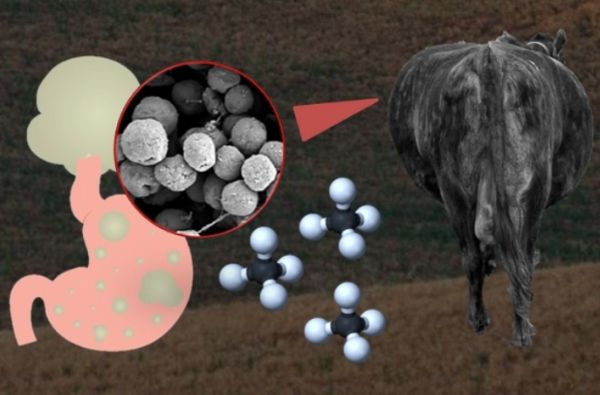
Methane emissions in livestock agriculture can arise from enteric fermentation and manure handling. Research associated with CLIMATE BIO® includes genetically engineered corn and alfalfa biomass evaluated in an in vitro rumen fermentation system, where reductions in methane production were observed. These results provide an experimental basis for further feed-development research.
Research priorities: Identify the forage traits associated with lower methane production and examine their consistency across feed formulations.
These research directions provide a foundation for developing and evaluating methane-mitigation applications in livestock production.
EPA background: methane emissions and livestock feeding practices ↗
FORAGE AND BIOMASS
Forage and Biomass Research
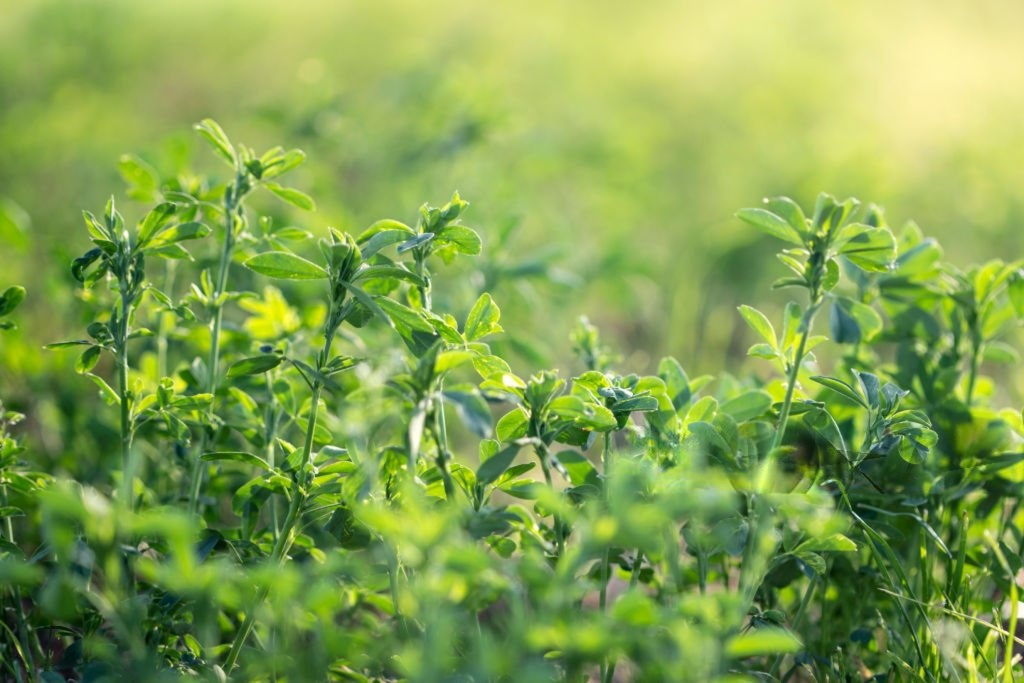
Corn and alfalfa research has shown reduced methane production from genetically engineered biomass in laboratory rumen fermentation tests. CLIMATE BIO® is building on this work to investigate how forage composition and feed-quality traits may contribute to livestock methane mitigation.
Animal studies and integrated emissions assessments represent important next steps in translating laboratory findings into agricultural applications.
EVALUATION PATHWAY
Research-Stage Evaluation Pathway
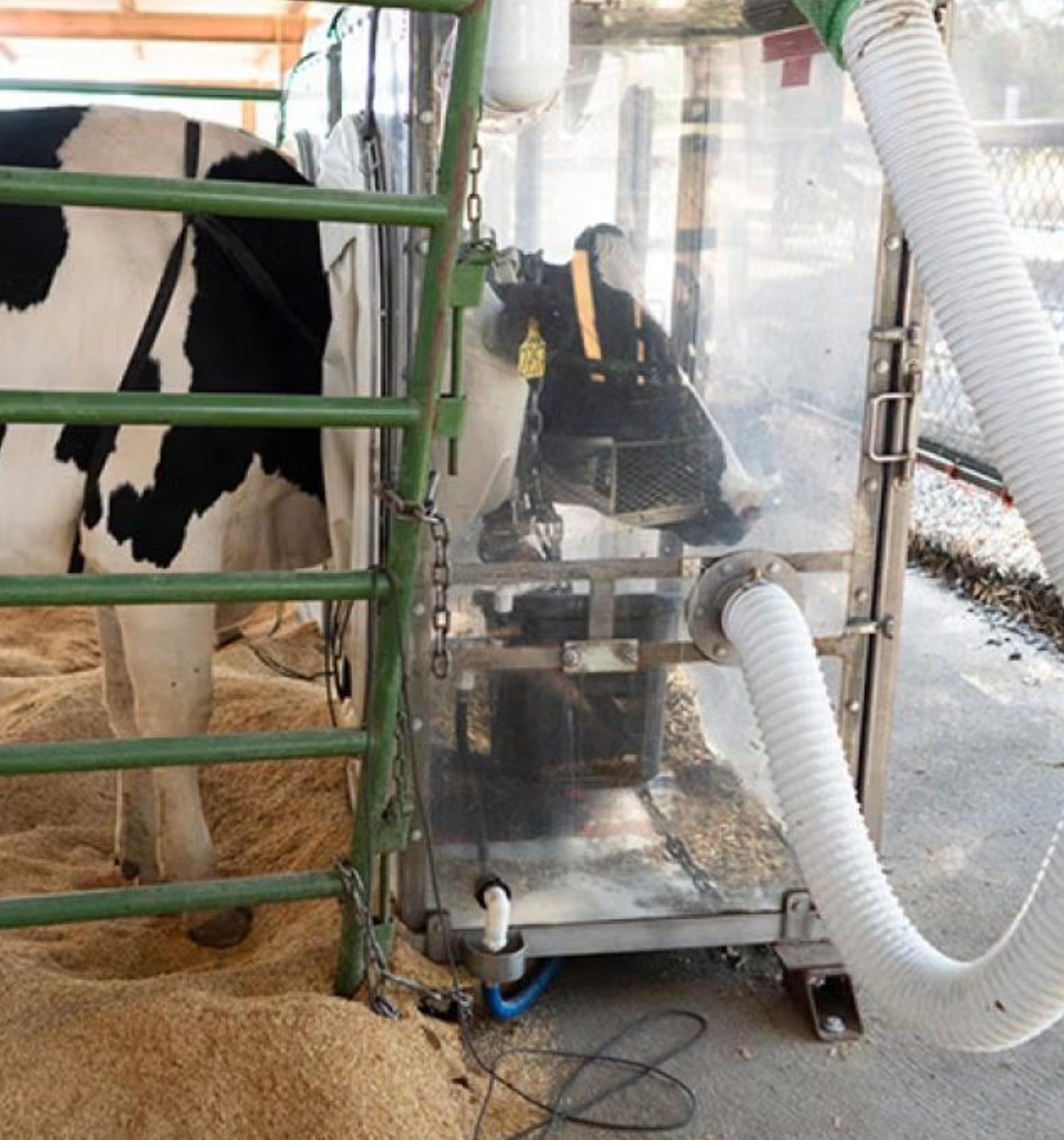
Building on the observed in vitro findings, the development pathway integrates plant-trait evaluation, feed and animal studies, and direct methane emissions measurement.
STEP 1
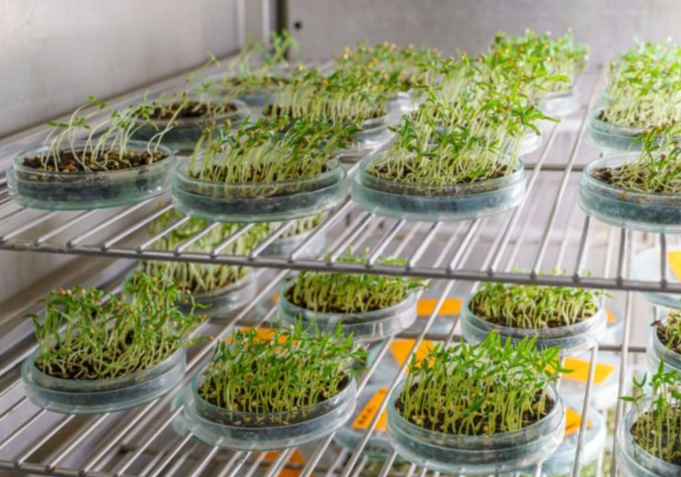
Plant-trait evaluation
Controlled plant studies.
STEP 2
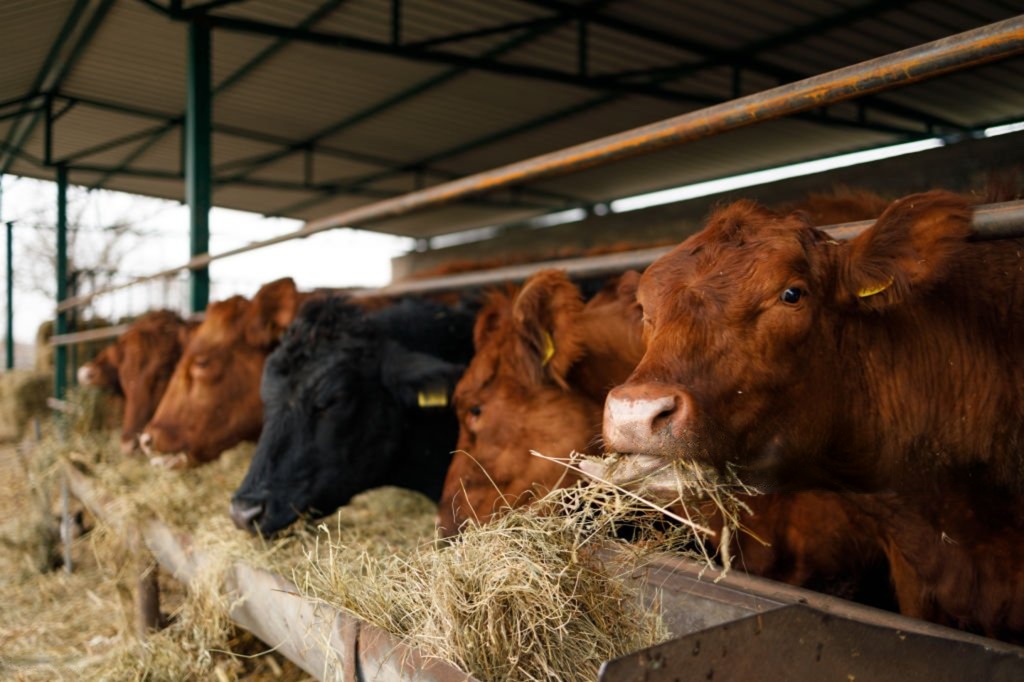
Animal-level evaluation
Controlled animal studies; feed-quality and safety measurements.
STEP 3
Direct emissions assessment
Measure methane emissions and evaluate real-world outcomes.
CARBON DIOXIDE
Carbon Dioxide: Plant and Biomass Systems
Carbon dioxide is part of the wider agricultural climate challenge. Plant growth, biomass production, land use, and soil management influence carbon flows, although increased plant biomass alone does not establish net atmospheric carbon removal.
CLIMATE BIO® develops research directions connecting crop and biomass traits, resource-use efficiency, and agricultural resilience. Carbon-related applications are evaluated through defined system boundaries and quantitative measurements.
EPA background: agricultural land and greenhouse-gas emissions ↗

NITROUS OXIDE
Nitrous Oxide: Agricultural Nitrogen Systems
Nitrous oxide emissions are associated with agricultural soils and nitrogen cycling, including fertilizer use and manure-related processes. These emissions can vary with soil conditions and agricultural practices.
As a complementary research direction, CLIMATE BIO® explores nitrogen-related plant and cropping-system traits and biological pathways relevant to agricultural nitrous oxide emissions, with an emphasis on measurable outcomes.
ONE INTEGRATED PLATFORM
One Integrated Platform
Methane is our primary scientific and application focus. Carbon dioxide and nitrous oxide remain complementary research directions. The integrated platform connects these research priorities while keeping livestock methane as the lead biotechnology application.