
CLIMATE BIO® · PLATFORM
Agricultural Greenhouse-Gas Biotechnology
A single research platform addressing greenhouse-gas challenges in agriculture, led by livestock methane (CH₄) and complemented by carbon dioxide (CO₂) and nitrous oxide (N₂O) research directions.
SECONDARY PRIORITY · CO₂
Carbon Dioxide: Plant and Biomass Systems
Carbon dioxide is part of the wider agricultural climate challenge. Plant growth, biomass production, land use, and soil management influence carbon flows, although increased plant biomass alone does not establish net atmospheric carbon removal.
CLIMATE BIO® is considering biological research directions involving crop and biomass traits, resource use, and agricultural resilience. Claims of carbon capture or net climate benefit would require defined system boundaries and supporting measurements.
EPA background: agricultural land and greenhouse-gas emissions ↗
PRIMARY PRIORITY · CH₄
Livestock Methane: The Lead Research Focus
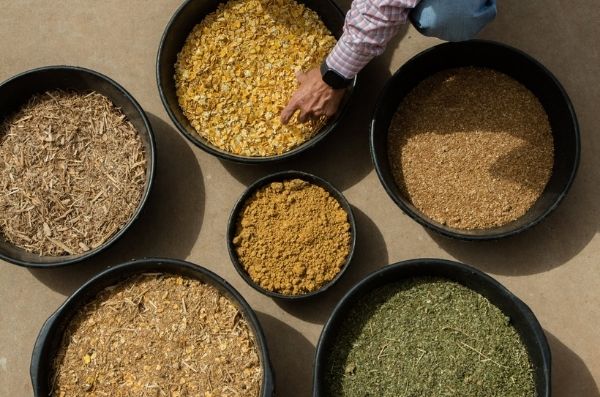
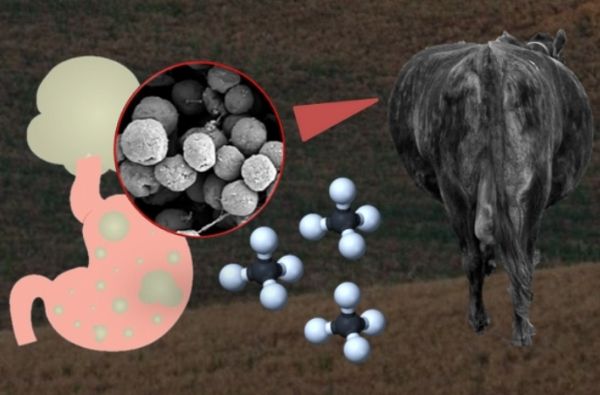
Methane emissions in livestock agriculture can arise from enteric fermentation and manure handling. CLIMATE BIO® is exploring forage-based and biomass-trait research approaches that may be relevant to animal-feed systems and the challenge of livestock methane.
Research-stage questions: Which forage and biomass characteristics warrant further evaluation? How might plant traits interact with feed composition and livestock systems? What measurements would be required to substantiate any mitigation potential?
These directions are not claims of demonstrated methane reduction in animals or commercial products.
EPA background: methane emissions and livestock feeding practices ↗

Forage and Biomass Research
The existing CLIMATE BIO® platform material identifies forage traits, biomass performance, and composition as directions for research relevant to feed and agricultural applications.
Proposed evaluations would need to distinguish plant-trait measurements from animal performance, feed safety, lifecycle greenhouse-gas impacts, and actual emissions outcomes.
Integrating these questions into one platform page keeps the technical storyline clear without presenting early-stage objectives as proven benefits.
SECONDARY PRIORITY · N₂O
Nitrous Oxide: Agricultural Nitrogen Systems
Nitrous oxide emissions are associated with agricultural soils and nitrogen cycling, including fertilizer use and manure-related processes. These emissions can vary with soil conditions and agricultural practices.
CLIMATE BIO® treats this as a complementary research direction, not an established N₂O-reduction technology. The relevant questions concern nitrogen-related plant and cropping-system traits, potential biological pathways, and the validation needed to establish practical outcomes.
Research and Evidence
Research opportunity ≠ verified field result.
Public claims should specify the tested system, measured outcome, study conditions, and independent supporting evidence.